

FATF Has Declared War on Fraud. Not All Its Allies Can Afford to Fight

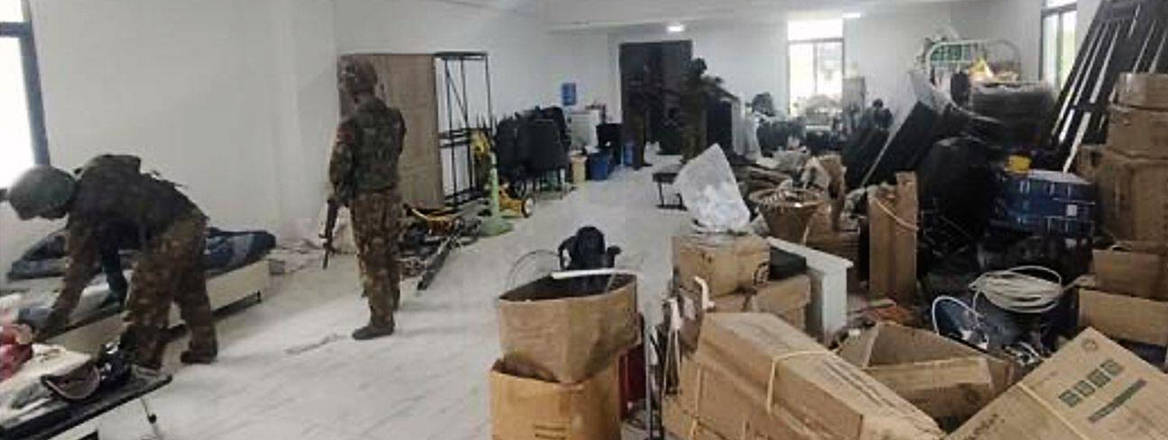
The UK is right to put fraud at the heart of its FATF presidency. Success will require source countries to have the means to act.
In the week commencing 26 October, the Financial Action Task Force (FATF) will meet in Paris for its first plenary under UK leadership. The organisation’s founding is inextricably linked to the 1980s cocaine boom, which saw unprecedented flows of dirty money pour into the legitimate financial system. In response, FATF drew up 40 Recommendations for countries to implement to protect the global financial system from criminal actors. The more than 200 jurisdictions which have committed to uphold these Recommendations are assessed by their peers through periodic ‘Mutual Evaluations’. Countries found during their assessment to have fallen short of their obligations risk being placed on the ‘grey list’, which can deter investment and raise the cost of banking with other economies.
Over the years, FATF’s Recommendations have helped countries build and use their anti-money laundering infrastructure to make it harder for drug traffickers, terrorists and kleptocrats to abuse the financial system. Yet, in almost four decades of existence, no presidency has built its agenda so explicitly around a single underlying crime as the UK is doing now with fraud.
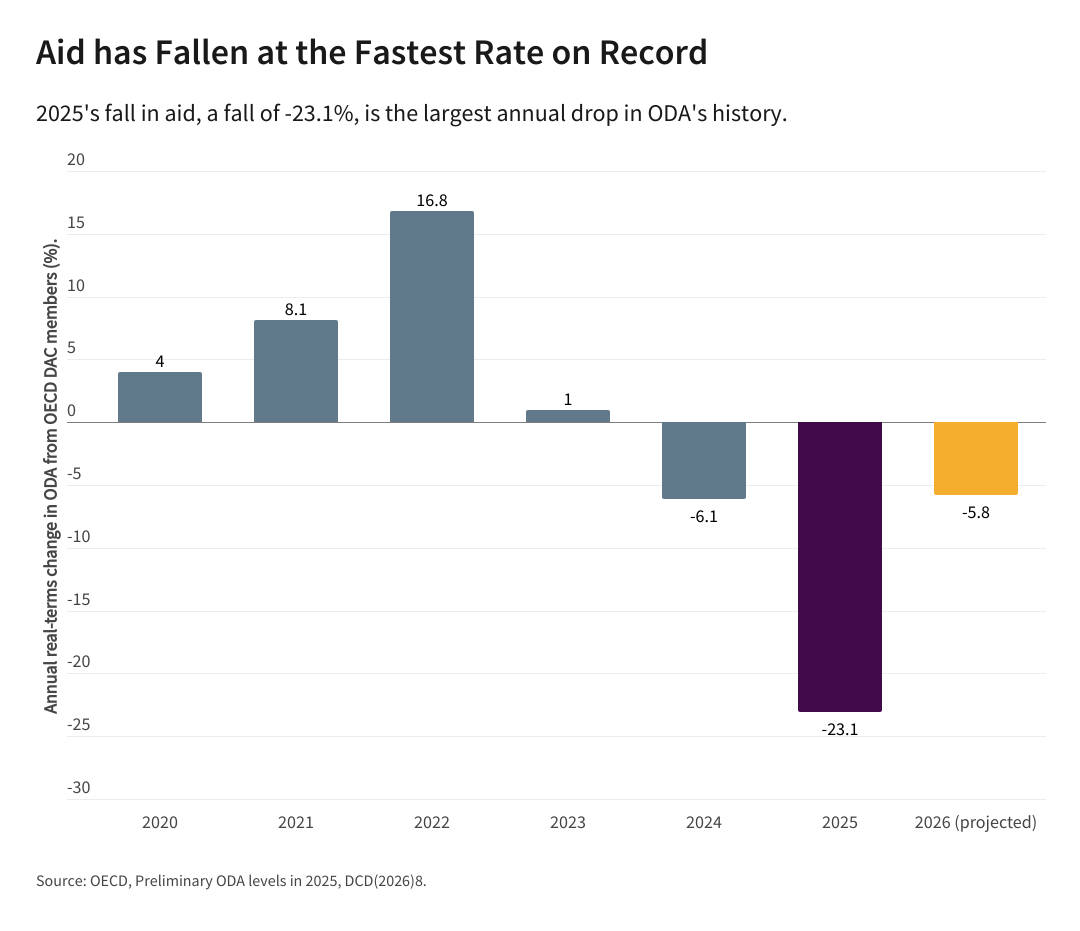
FATF’s emphasis on fraud reflects the scale of the current global scams industry, which cost an estimated $442 billion in 2025 and now generates profits to rival those of the drugs trade. But whether the UK’s agenda succeeds will depend less on the capabilities of the advanced economies around the table in Paris, and more on the countries outside the room which represent jurisdictions where fraudsters often set up shop. These countries are not FATF members but are held to its standards all the same, and following unprecedented reductions in development assistance many are facing the sharpest fiscal squeeze in decades.
A Threat Rooted Overseas
Fraud is among the most pressing threats developed countries such as the UK, the US, Australia and Singapore face. Sophisticated criminal networks are siphoning billions of pounds from their citizens each year, and in so doing fuelling their ‘polycriminality’ which spill into human trafficking, corruption and even terrorism. Some countries, the UK included, have penned impressive and all-encompassing domestic strategies, but they can only go so far. The UK Home Office estimates that two-thirds of fraud targeting Brits originates overseas, much of it from low- and middle-income countries (LMICs) with the conditions the UN says allow scam operations to take root: high economic informality, weak institutions, established criminal groups and fast-growing use of digital platforms. Dismantling the networks behind the fraud epidemic, therefore, means working with the governments and police forces of the countries where fraudsters operate.

Aid Cuts and Competing Priorities
However, the steepest fall in the history of official development assistance has left many governments in the developing world reeling, and all but crippled their ability to respond to other, more existential crises. By one estimate, LMICs are projected to suffer an additional 9.4 million deaths by 2030, and this year the World Food Programme estimates 266 million people are at risk of acute hunger. No minister worth their salt would divert scarce resources to anti-fraud policies favouring the priorities of the world’s wealthiest economies while facing malnutrition on such a scale.
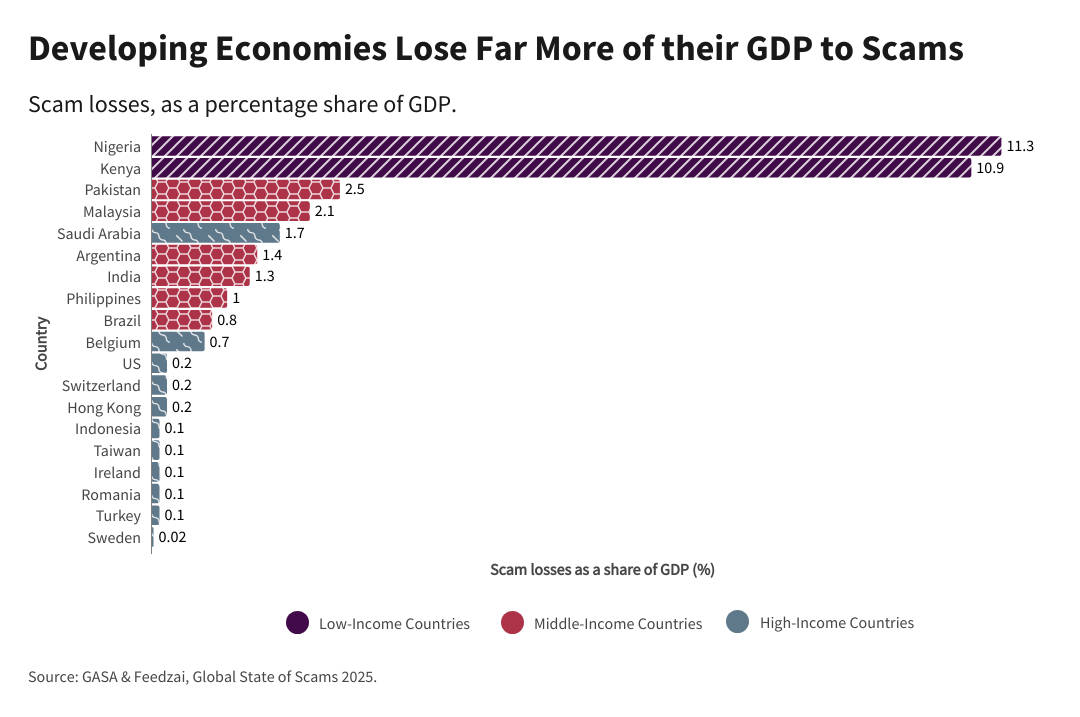
This is not to say that developed countries are the only victims of fraud; far from it. The Global Anti-Scam Alliance (GASA) estimates citizens of developing countries are more likely to lose money to scams, and that their economies lose a larger relative share of GDP to fraud. Speak to officials in these countries and they know all too well how scams are damaging their economies and shaking their citizens’ faith in institutions. Often, what they lack is not political will, but rather, the means to fight back. Asking them to prioritise fraud without offering tangible support risks producing the kind of box-ticking (whereby countries pass laws in a bid to satisfy assessors without changing much in practice) which FATF has spent most of the past decade trying to stamp out.
Building on Existing Foundations
As our research at RUSI has shown, taking the first steps towards building a more effective anti-fraud response in these countries need not incur massive costs. The financial intelligence units, reporting obligations and central bank powers which FATF itself has spent nearly four decades persuading countries to build can be turned towards fraud, a crime which is far more visible and politically salient than many of the other offences which FATF has exhorted countries to consider.
That said, while the infrastructure FATF has encouraged countries to build provides the means to get started, scaling up efforts is another matter entirely. Freezing the mule accounts moving stolen money is one thing; dismantling the complex web of criminal networks running scam campaigns is quite another. For most jurisdictions, mounting an effective national response capable of plugging into international efforts will require drafting new laws, training specialist investigators and creating new channels for banks, telcos and police to share information safely. It is in these more substantive reforms where the true costs lie, and where cuts to government budgets are likely to hamper ambitions.
Who Should Foot the Bill?
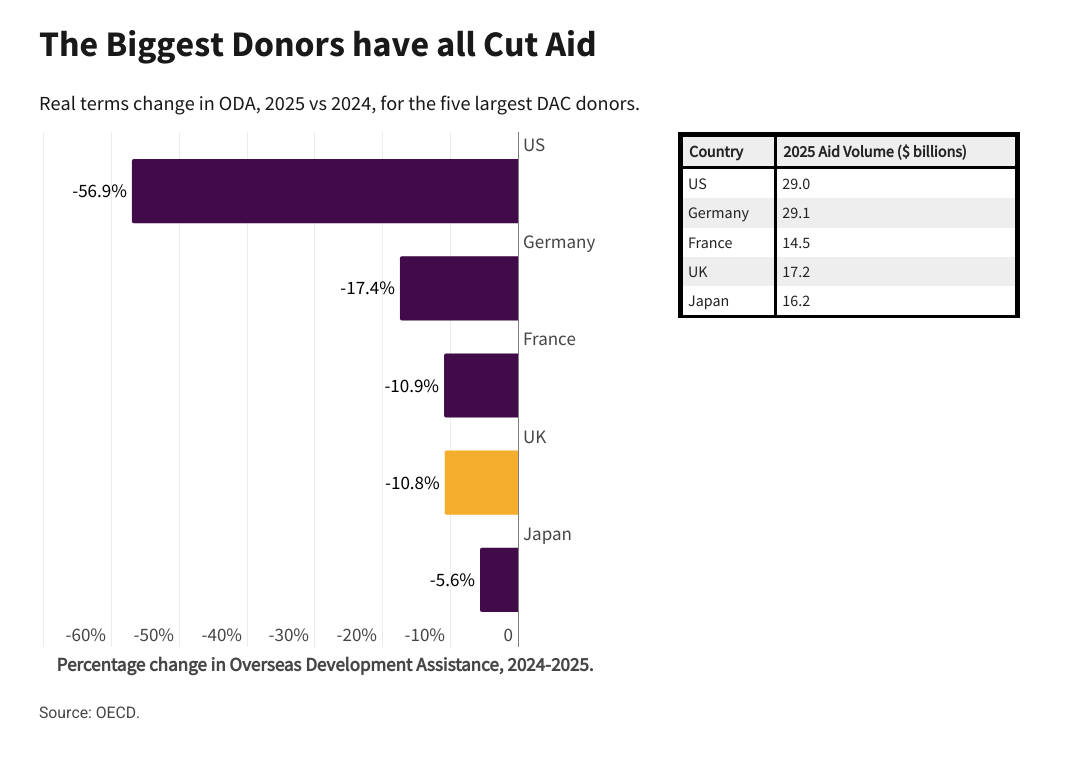
So when FATF asks jurisdictions to treat fraud as a priority this month, it should ask something of its richer members too: help the countries struggling to confront this global epidemic with the associated costs. This is not charity. When the scams emptying British, American and Australian bank accounts are run from abroad, building other countries’ capacity to fight fraud is among the most cost-effective ways to protect people at home.
The mechanism could be a dedicated fund along the lines of the World Bank’s Cybersecurity Multi-Donor Trust Fund. Alternatively, FATF could encourage members to expand their use of bilateral partnerships, such as those the UK already has with Vietnam and Nigeria. To get started, the new presidency should use this month’s plenary to secure a joint commitment from members to put a share of the proceeds they recover from fraud towards building other countries’ capacity, making the scammers pay for their own undoing.
FATF cannot command its members to write cheques, nor should it try; but it can use its influence and importance in the global anti-financial crime community to drive forward the necessary response. If the UK uses its presidency to make the case to its FATF peers that funding other countries’ fight against fraud is one of the greatest acts of self-defence, it will have done more than any domestic strategy could alone. If, however, it declares a ‘war on fraud’ without helping to arm its allies, it risks getting only the bare minimum in return, and the scammers will continue to drain both bank accounts and trust in the financial system along with them.
© RUSI, 2026.
The views expressed in this Commentary are the author's, and do not represent those of RUSI or any other institution.
For terms of use, see Website Terms and Conditions of Use.
Have an idea for a Commentary you'd like to write for us? Send a short pitch to commentaries@rusi.org and we'll get back to you if it fits into our research interests. View full guidelines for contributors.
WRITTEN BY
Georgia Jones
Research Analyst
Centre for Finance and Security


- Jim McLeanMedia Relations Manager+44 (0)7917 373 069JimMc@rusi.org